
INTHEFRAME: Entering a New Era for Damp and Mould Remediation
With only one month to go, housing associations and councils across England will be legally required to meet new statutory timeframes for investigating and fixing damp and mould. The introduction of Awaab’s Law, through the Social Housing (Regulation) Act 2023, marks a pivotal change in how the sector addresses one of its most persistent and damaging housing issues. These changes come not just with regulatory weight, but also with significant operational and reputational consequences.
A Landmark Legal Shift
In response to the tragic death of Awaab Ishak who died after prolonged exposure to mould, the government pledged reform. The resulting legislation imposes strict timelines: social landlords will be expected to respond to complaints about damp and mould within 14 calendar days, begin repairs within 7 days of that assessment, and complete them within a “reasonable” time – currently defined as 21 days in serious cases.
This legislative clarity brings a non-negotiable mandate to act, with a direct route for tenants to escalate unresolved cases to the Housing Ombudsman and the Regulator of Social Housing.
Pressures and Priorities for Housing Providers
The new duties present considerable challenges. The current backdrop is already one of stretched budgets, resource shortages, and a growing demand for housing repairs across the sector. But from October, non-compliance will no longer be an option. There is pressure to respond rapidly to tenant complaints and embed processes that ensure timely and high-quality repairs – especially as failure to do so could now carry regulatory consequences and legal liability.
While the scale of the challenge varies across housing providers, the direction of travel is clear: proactive identification and resolution of damp and mould must become core to asset management. Councils and housing associations will need to maintain accessible reporting routes, triage issues appropriately, and build capacity to deliver remedial works promptly.
For some, this will mean expanding or retraining in-house teams. For others, it could involve stronger partnerships with specialist suppliers – particularly those with demonstrable capacity, compliance systems, and quality assurance procedures aligned with the new requirements.
Damp and Mould: A Health and Fuel Poverty Issue
This is not simply about legal compliance. Prolonged exposure to damp and mould is linked to respiratory problems, poor mental health, and lower life expectancy. It disproportionately affects vulnerable residents, including children and the elderly.
Moreover, there is a clear connection between damp and poor energy efficiency. Homes with inadequate insulation or poorly sealed windows are more likely to trap moisture, exacerbating the conditions for mould to thrive. Tackling damp is therefore inseparable from tackling fuel poverty – a goal that resonates deeply with social landlords and local authorities working at the intersection of public health and housing.
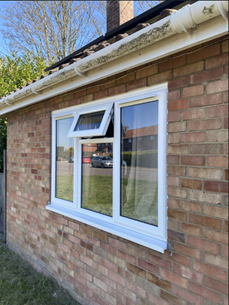
Energy-efficient refurbishment is a key part of this equation. Replacing old windows and doors, improving ventilation, and insulating properties not only helps to prevent damp but reduces heating costs for residents. Retrofitting therefore serves a dual purpose: it supports legal compliance under Awaab’s Law and advances broader strategic goals around sustainability and tenant wellbeing.
The Road Ahead: From Compliance to Culture
As one of the most significant pieces of housing legislation in recent years, this law sets a new bar for accountability. Meeting it will require not only operational improvements, but cultural change – from reactive maintenance to proactive housing management.
Working collaboratively with the supply chain and social housing landlords and with partners like us can ensure that they have the correct window solutions to help combat damp and mould, like ensuring crucial ventilation routes necessary for Healthy Homes.
For more information on how we can help you place healthy fenestration at the heart of your damp and mould strategy, email [email protected]